Send by Email: Best Practices for Business Communication
April 15, 2026
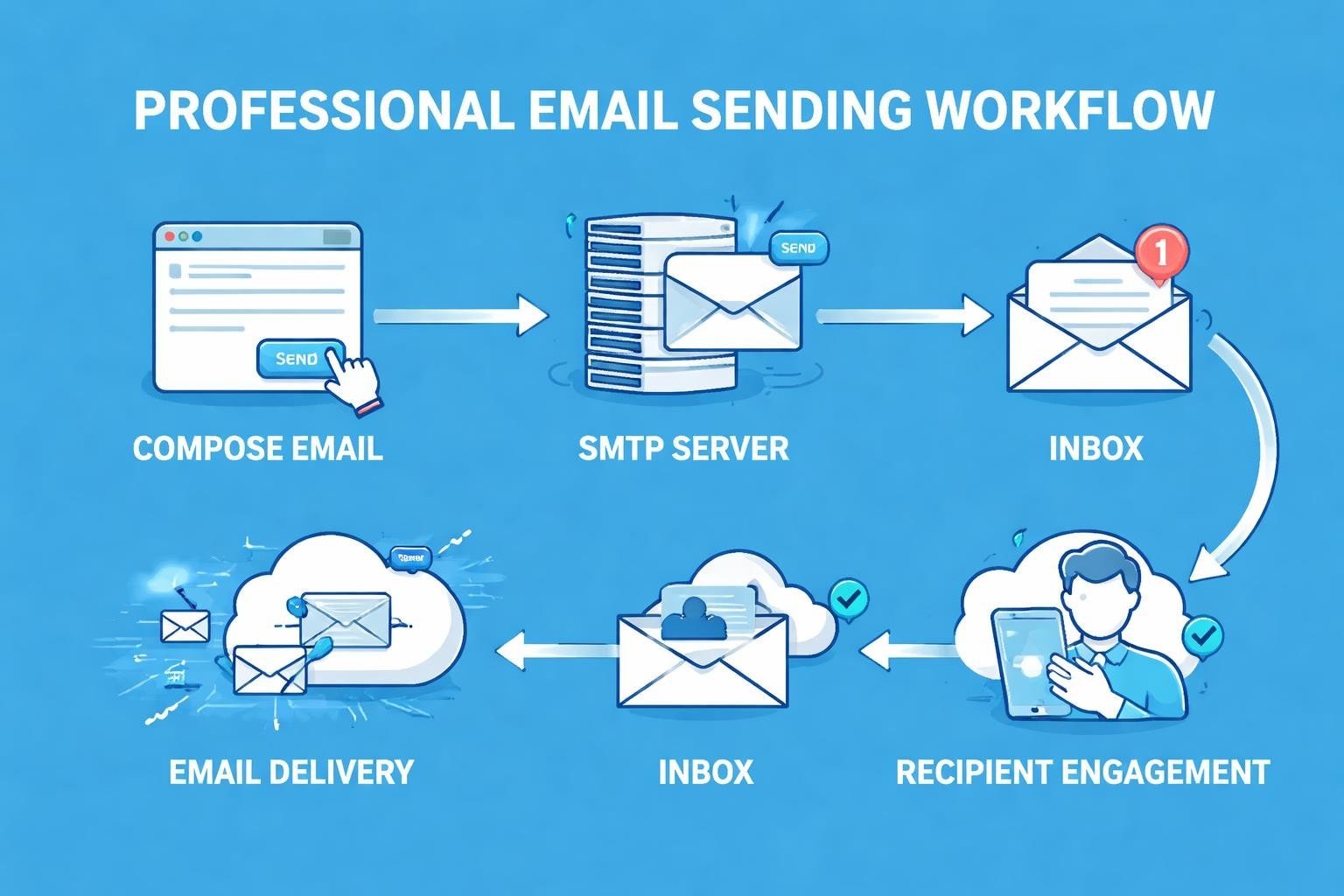
Email remains the cornerstone of professional communication in 2026, with billions of messages exchanged daily across businesses worldwide. The ability to send by email effectively has become a critical skill that separates successful companies from those struggling to connect with their audience. Whether you're reaching out to potential customers, nurturing existing relationships, or coordinating with team members, mastering email communication directly impacts your business outcomes. For small businesses, getting email right can be the difference between landing a new client or being relegated to the spam folder, making it essential to understand the nuances of professional email practices.
Understanding the Fundamentals of Email Communication
When you send by email, you're engaging in one of the most cost-effective marketing channels available. However, the simplicity of clicking a send button belies the complexity beneath the surface. Modern email platforms must navigate spam filters, authentication protocols, and inbox algorithms designed to protect users from unwanted messages.
The Technical Side of Sending Emails
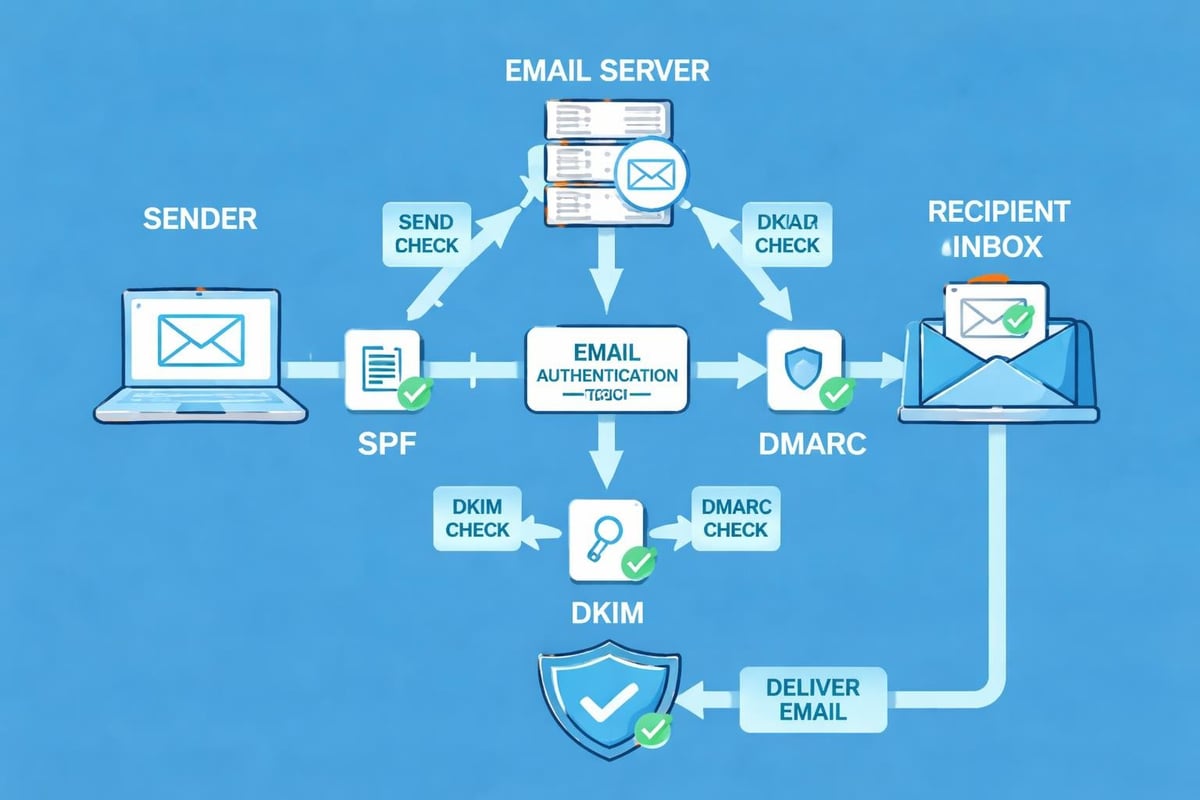
Every time you send by email, several technical processes occur simultaneously. Your message passes through mail servers, undergoes authentication checks, and faces scrutiny from spam filters before reaching its destination. Understanding these mechanisms helps you craft messages that successfully navigate these barriers.
Key authentication protocols include:
- SPF (Sender Policy Framework) records that verify sender legitimacy
- DKIM (DomainKeys Identified Mail) signatures ensuring message integrity
- DMARC policies that protect against spoofing and phishing attempts
- IP reputation scoring that influences deliverability rates
Small businesses must pay particular attention to these technical requirements. When you're ready to set up professional email infrastructure, ensuring proper authentication becomes paramount to maintaining sender reputation.
Building a Permission-Based Email Strategy
The foundation of successful email communication rests on permission. Before you send by email to any contact, obtaining explicit consent protects both your reputation and legal standing. The days of purchasing email lists and blasting unsolicited messages have given way to more sophisticated, consent-based approaches.
According to best practices for sending email campaigns, maintaining a clean, opt-in list significantly improves engagement rates and deliverability. Recipients who actively choose to receive your messages are substantially more likely to open, read, and respond.
Crafting Emails That Generate Responses
The ability to send by email effectively extends far beyond technical configuration. Your message content, structure, and timing all contribute to whether recipients engage with your communication or ignore it entirely.
Subject Lines That Demand Attention
Your subject line serves as the gateway to your message. Research indicates that 47% of recipients decide whether to open an email based solely on the subject line. When crafting these critical few words, balance intrigue with clarity whilst avoiding spam trigger words.
| Effective Approach | Why It Works | Example |
|---|---|---|
| Personalisation | Creates immediate relevance | "Sarah, your Q2 marketing report is ready" |
| Urgency (genuine) | Encourages prompt action | "Limited spots: Register by Friday" |
| Curiosity | Drives opens through intrigue | "The mistake 80% of businesses make" |
| Value proposition | Demonstrates clear benefit | "Reduce email costs by 40% this month" |
Content Structure and Formatting
Once your recipient opens your message, the content must deliver on the subject line's promise. When you send by email for business purposes, clarity and brevity should guide your approach. Microsoft's guidelines for effective email writing emphasize the importance of organizing information logically and respecting the reader's time.
Essential elements of well-structured emails:
- Opening greeting that establishes appropriate tone
- Context statement explaining why you're reaching out
- Core message with key information prominently displayed
- Clear call-to-action specifying desired next steps
- Professional signature with complete contact details
Breaking your message into scannable sections with short paragraphs helps busy professionals quickly extract relevant information. When you send by email to time-constrained executives, they often skim for key points rather than reading every word.
Timing and Frequency Optimization
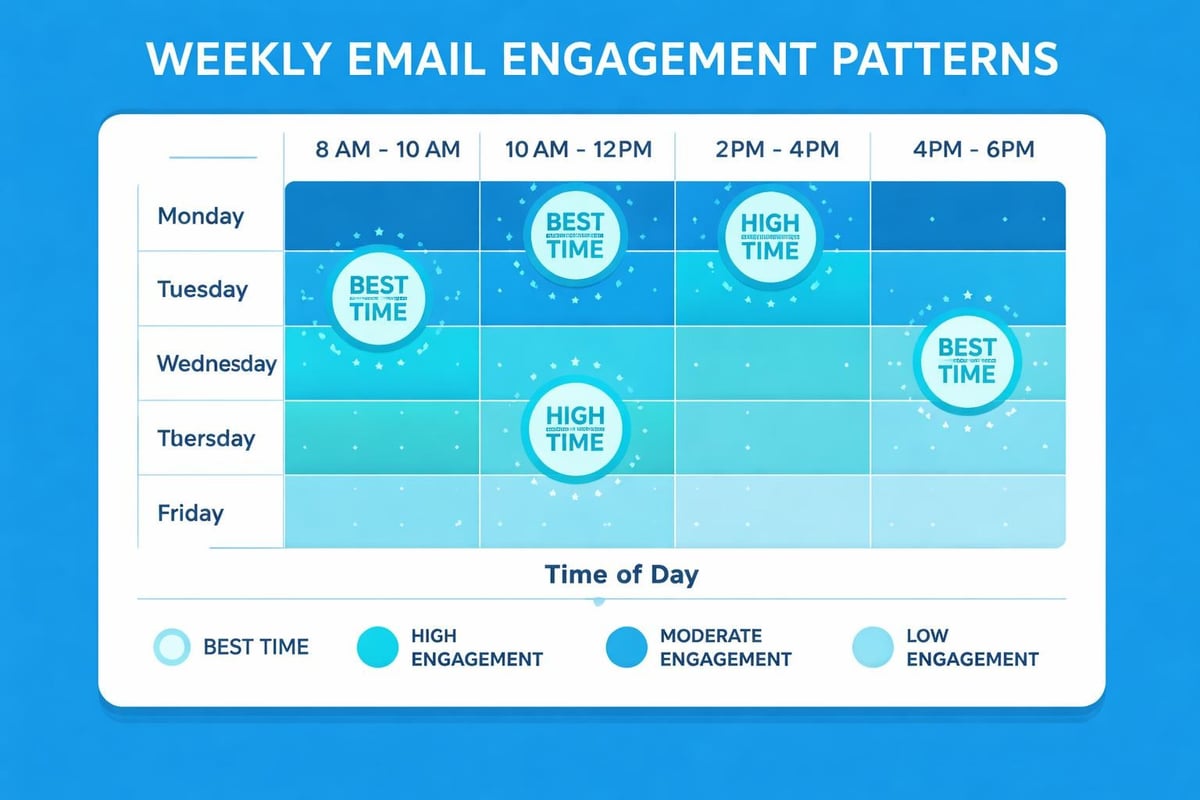
Understanding when to send by email can dramatically impact your success rates. Research consistently shows that certain days and times generate higher engagement than others, though these patterns vary by industry and audience segment.
Optimal Send Times for Maximum Engagement
Data from multiple studies suggests Tuesday through Thursday between 10:00 and 14:00 yields the strongest open rates for business communications. However, these are guidelines rather than absolute rules. Strategies to increase email reply rates include experimenting with off-peak hours when inboxes are less crowded.
Consider these timing factors before you send by email:
- Time zones: Schedule messages to arrive during business hours in the recipient's location
- Industry patterns: B2B emails perform differently than B2C communications
- Day of week: Mondays often see lower engagement due to inbox overload
- Holidays and events: Avoid major holidays and industry conference dates
- Recipient behaviour: Monitor your analytics to identify audience-specific patterns
Managing Send Frequency
Finding the right balance in how often you send by email requires careful consideration. Too frequent, and you risk annoying subscribers who may unsubscribe or mark messages as spam. Too infrequent, and your audience forgets about your business entirely.
| Frequency | Best For | Typical Unsubscribe Rate |
|---|---|---|
| Daily | News, deals, updates | 2-3% monthly |
| 2-3 times weekly | Content marketing, tips | 1-2% monthly |
| Weekly | Newsletters, digests | 0.5-1% monthly |
| Fortnightly | In-depth content, reports | 0.3-0.7% monthly |
| Monthly | Company updates, summaries | 0.2-0.5% monthly |
Personalization and Segmentation Strategies
Generic mass emails generate poor results in 2026's sophisticated email landscape. When you send by email to your entire list with identical messaging, you miss opportunities to connect with specific audience segments. Modern email marketing platforms for small businesses offer powerful segmentation capabilities that allow targeted communication.
Segmentation Criteria for Better Targeting
Effective segmentation begins with understanding your audience across multiple dimensions. Demographic data provides basic groupings, whilst behavioural information reveals how contacts interact with your business.
Common segmentation approaches include:
- Purchase history and average transaction value
- Engagement level (opens, clicks, conversions)
- Geographic location and local market conditions
- Industry sector or business size
- Position in the customer journey
- Interests and content preferences
When you send by email to appropriately segmented groups, your messages resonate more deeply because they address specific needs and circumstances. A manufacturing company executive has different concerns than a retail shop owner, even if both are small business owners.
Dynamic Content and Personalisation
Beyond basic name insertion, sophisticated personalisation adapts message content based on recipient characteristics. This might include product recommendations based on browsing history, content aligned with previous downloads, or offers reflecting past purchase patterns. The TechRadar guide to effective email outreach emphasizes thorough recipient research as foundational to successful communication.
Compliance and Security Considerations
Every time you send by email, you must navigate various legal requirements and security protocols. Non-compliance can result in substantial fines whilst security lapses damage your reputation and customer trust.
Legal Requirements for Business Emails
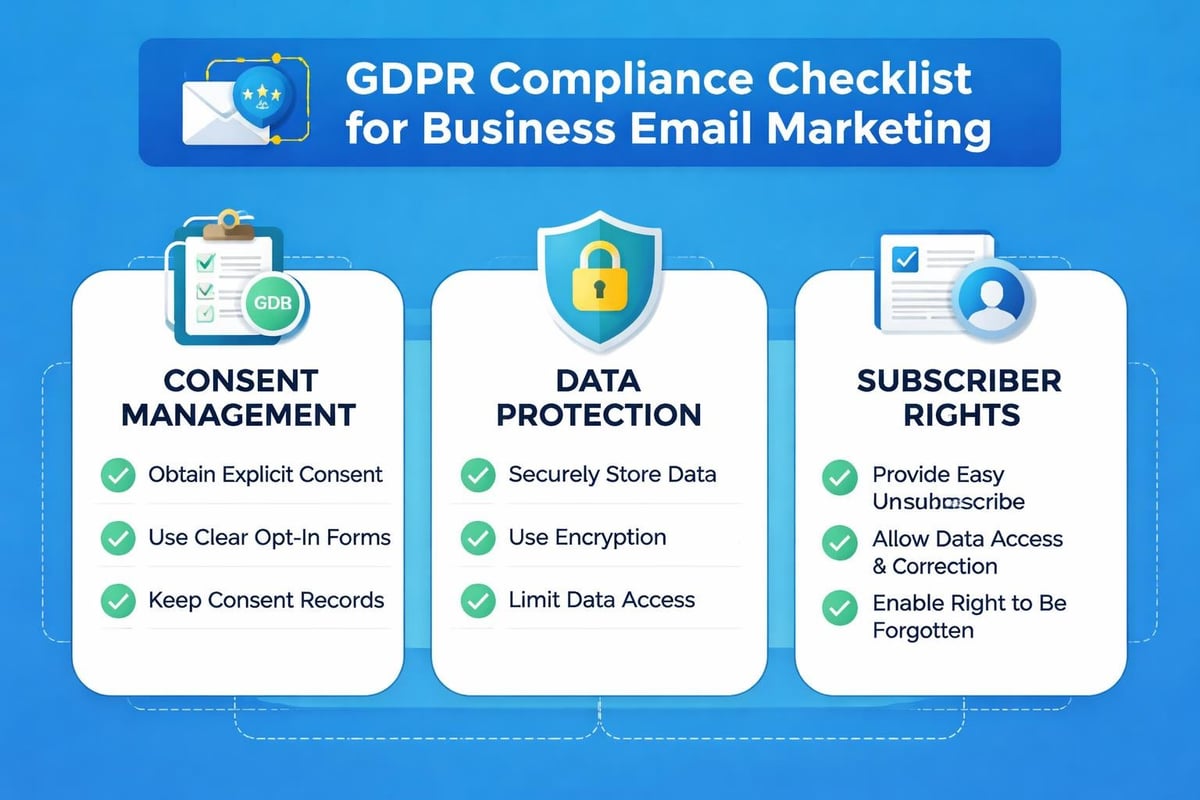
UK businesses must comply with GDPR regulations governing email communications, whilst international businesses face additional regional requirements. These laws establish clear rules about consent, data storage, and recipient rights.
Essential compliance requirements:
- Obtain explicit consent before adding contacts to lists
- Provide clear identification of your business
- Include functional unsubscribe mechanisms in every message
- Honor opt-out requests within 10 business days
- Maintain records of consent and communication preferences
- Protect personal data with appropriate security measures
Your antispam policy should outline your commitment to ethical email practices, reassuring subscribers that you respect their inbox and privacy.
Security Best Practices
Email security guidelines from Ohio University highlight the importance of protecting both your business and recipients from security threats. When you send by email, implementing security measures prevents unauthorised access and data breaches.
| Security Measure | Purpose | Implementation |
|---|---|---|
| Encryption | Protects message content | TLS/SSL protocols |
| Two-factor authentication | Secures account access | SMS or app-based codes |
| Regular password updates | Prevents unauthorized access | Quarterly changes |
| Link scanning | Identifies malicious URLs | Automated security tools |
| Attachment policies | Reduces malware risk | File type restrictions |
Measuring Success and Continuous Improvement
Understanding performance metrics helps refine your approach each time you send by email. Analytics provide insights into what resonates with your audience and where improvements are needed.
Key Performance Indicators
Tracking the right metrics reveals the health of your email programme. Carnegie Mellon's comprehensive email best practices emphasize the importance of consistent measurement and adjustment based on data.
Critical metrics to monitor include:
- Open rate: Percentage of recipients who open your message
- Click-through rate: Proportion clicking links within emails
- Conversion rate: Recipients completing desired actions
- Bounce rate: Undeliverable messages (both hard and soft bounces)
- Unsubscribe rate: Contacts opting out of future communications
- Spam complaint rate: Recipients marking messages as spam
When you send by email through a professional platform, these metrics become readily accessible through dashboards and reports. For small businesses managing email contacts effectively, regular analysis of these numbers drives strategic decisions.
A/B Testing for Optimization
Systematic testing removes guesswork from email marketing. Before you send by email to your entire list, test variables with smaller segments to identify what performs best.
Elements worth testing:
- Subject line variations (length, tone, personalisation)
- Send times and days of the week
- Email length and formatting approaches
- Call-to-action placement and wording
- Image versus text-heavy designs
- Sender name formats (personal versus company)
Run tests with statistical significance, typically requiring at least 1,000 recipients per variation. When you send by email based on tested insights rather than assumptions, results improve consistently over time.
Advanced Strategies for Email Excellence
As your email programme matures, advanced tactics help you stand out in crowded inboxes. When you send by email with sophisticated strategies, you build stronger relationships with your audience.
Automation and Triggered Campaigns
Automated email sequences respond to subscriber actions, delivering relevant messages at optimal moments. Welcome series, abandoned cart reminders, and birthday messages all function without manual intervention once configured properly.
These triggered campaigns typically generate 70-150% higher open rates than standard promotional emails because they arrive when recipients are most receptive. When you send by email automatically based on behaviour triggers, you maintain engagement whilst freeing time for strategic activities.
Integration with Broader Marketing Efforts
Email shouldn't exist in isolation from other marketing channels. Coordinating messages across platforms creates cohesive customer experiences. When you send by email promoting a webinar, corresponding social media posts, website banners, and SMS reminders reinforce the message.
Effective integration touchpoints:
- Social media content aligned with email themes
- Website landing pages matching email messaging
- Retargeting ads continuing email conversations
- SMS reminders for high-priority communications
- Direct mail for VIP segments
Cross-channel consistency when you send by email and communicate through other platforms strengthens brand recognition and message retention. Small businesses benefit particularly from this coordinated approach, maximizing limited marketing resources.
Building Long-Term Subscriber Relationships
The most successful email programmes view each message as part of an ongoing conversation rather than isolated transactions. When you send by email with relationship-building as the priority, short-term metrics matter less than long-term subscriber value.
Providing Consistent Value
Every email should give recipients something worthwhile, whether educational content, exclusive offers, or useful resources. Best practices from Liaison emphasize maintaining list quality through valuable, relevant communication that subscribers genuinely want to receive.
Consider the value exchange each time you send by email. What benefit justifies the few minutes of attention you're requesting? Businesses that consistently deliver value build loyal audiences who eagerly anticipate messages rather than viewing them as intrusions.
Managing Subscriber Preferences
Empowering subscribers to control their experience demonstrates respect and reduces unsubscribes. Preference centres allow contacts to specify:
- Communication frequency preferences
- Content topics of interest
- Preferred message formats (HTML versus plain text)
- Channel preferences (email, SMS, direct mail)
- Privacy and data sharing settings
When you send by email according to stated preferences, engagement naturally improves because messages align with subscriber expectations. This approach transforms email from a broadcast medium into a permission-based dialogue.
Mobile Optimization Essentials
With over 60% of emails opened on mobile devices in 2026, mobile optimization isn't optional. When you send by email without mobile consideration, you alienate the majority of your audience.
Responsive Design Principles
Mobile-friendly emails adapt to various screen sizes whilst maintaining readability and functionality. Key elements include:
Design considerations for mobile:
- Single-column layouts that don't require horizontal scrolling
- Minimum 14-point font size for body text
- Generous tap targets (minimum 44x44 pixels) for links and buttons
- Compressed images that load quickly on cellular connections
- Concise subject lines visible on smaller screens
Test how messages appear across different devices and email clients before you send by email to your full list. What looks perfect on desktop may become unreadable on mobile without proper optimization.
Mobile-Specific Content Strategies
Mobile users often check email in brief moments throughout the day. When you send by email to mobile-first audiences, front-load critical information and keep messages concise. Place your primary call-to-action above the fold, ensuring visibility without scrolling.
Consider mobile context as well. Someone checking email whilst commuting won't watch a lengthy video or complete a complex form. Save detailed content for desktop-focused campaigns or provide mobile-friendly alternatives.
Mastering email communication requires balancing technical knowledge, creative content, and strategic thinking. When you send by email with intention and attention to best practices, you build meaningful connections that drive business growth. Whether you're just starting with professional email marketing or refining an established programme, consistent improvement based on data and subscriber feedback ensures long-term success. Astonish Email provides small businesses with the tools and support needed to execute sophisticated email strategies without enterprise-level complexity, helping you connect with customers effectively whilst focusing on what you do best.